3 Vector Databases That Actually Matter (And When to Use Each)
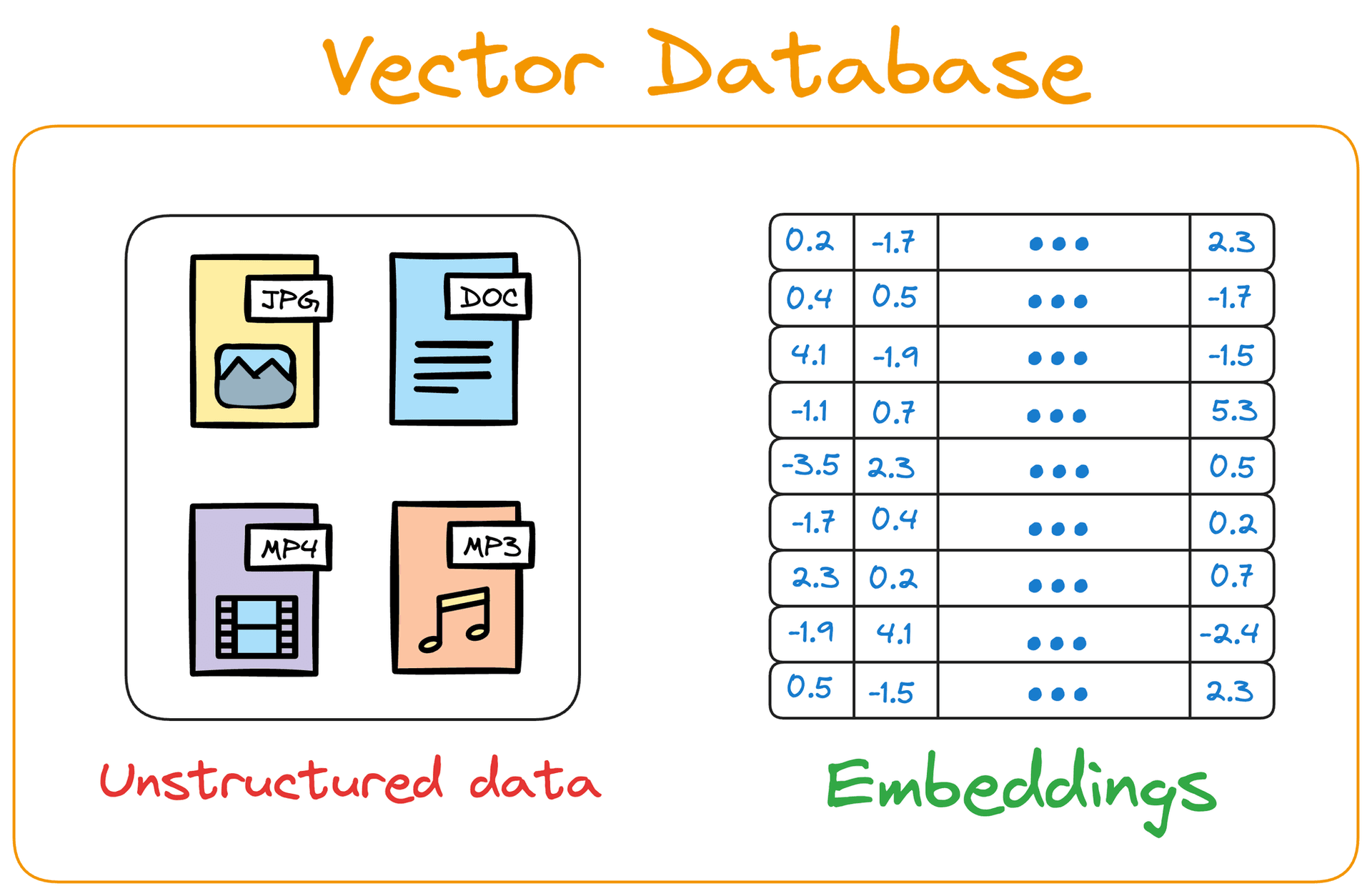
When you start building real AI systems, one thing becomes clear pretty quickly,\ retrieval is harder than it looks. Storing embeddings is easy.\ Getting the r...
When you start building real AI systems, one thing becomes clear pretty quickly,
retrieval is harder than it looks.
Storing embeddings is easy.
Getting the right ones back, fast and reliably, is where things start to matter.
There are a lot of vector databases out there, but in practice, you don’t need most of them.
Three solid choices are enough for almost everything you’ll build.
1. FAISS : Best for Local & High-Speed Experiments
If you’re learning, prototyping, or running offline pipelines, start here.
Use FAISS when:
- You’re working on a single machine
- You want maximum speed
- You don’t need APIs or filtering
Why it works:
FAISS is built for raw performance. It skips all the overhead and focuses on one thing, fast similarity search.
Where it breaks:
- No metadata filtering
- No built-in API
- Not designed for production systems
2. Qdrant : Best for Real Production Systems
When your app starts getting real users, this is where you move.
Use Qdrant when:
- You need metadata filtering (critical for RAG)
- You want hybrid search (vector + conditions)
- You prefer self-hosting and control
Why it works:
Qdrant isn’t just fast, it’s practical.
It handles real-world needs like structured filtering and scalable querying.
3. Pinecone : Best for Scaling Without Ops Pain
If you don’t want to think about infrastructure at all, pick this.
Use Pinecone when:
- You’re building a product with real traffic
- You want reliability out of the box
- You don’t have time (or interest) in DevOps
Why it works:
Pinecone handles:
- scaling
- indexing
- uptime
The Simple Decision Framework
- Learning / Experiments → FAISS
- Production with control → Qdrant
- Production without headaches → Pinecone
That’s it.
Final Thought
Most people choose vector databases based on hype.
Good engineers choose based on:
- scale
- latency
- control
- team capability
Because in the end, a vector database is just infrastructure.
And infrastructure should serve your product, not become your problem.