Understanding Neural Networks
## In recent years, neural networks have become the driving force behind many technologies we use daily, from voice assistants to recommendation systems and eve...
In recent years, neural networks have become the driving force behind many technologies we use daily, from voice assistants to recommendation systems and even medical diagnosis tools. They are one of the most powerful concepts in artificial intelligence and continue to shape the future of technology.
"Neural networks are not just code, they are systems that learn from experience."
What Are Neural Networks?
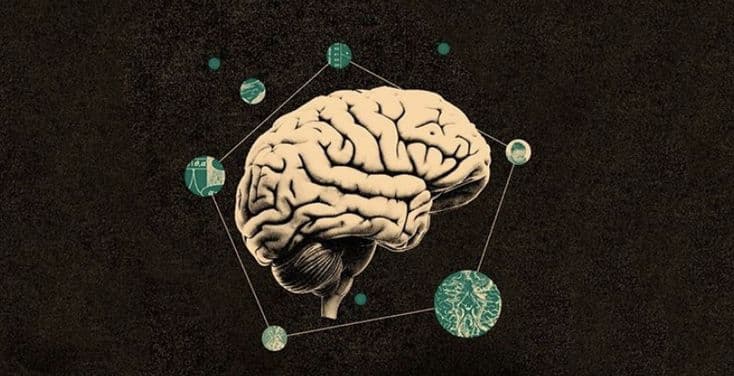
Neural networks are a part of machine learning inspired by the human brain. Just like our brain has neurons that process information, neural networks consist of artificial neurons that work together to solve problems.
These systems are designed to recognize patterns in data and make decisions based on what they learn. Instead of being explicitly programmed, they improve through training.
"A neural network learns the way humans do, by observing patterns and adjusting its understanding."
How Do Neural Networks Work?
A neural network is made up of layers:
-
Input Layer where data is received
-
Hidden Layers where processing and pattern recognition happen
-
Output Layer where the final result is produced
Each connection between neurons has a weight. During training, these weights are adjusted to improve accuracy. This process allows the network to learn from its mistakes and get better over time.
"Learning in neural networks is nothing but adjusting weights to reduce errors."
Types of Neural Networks
Different neural networks are used for different tasks:
-
Feedforward Neural Networks for basic predictions
-
Convolutional Neural Networks for image processing
-
Recurrent Neural Networks for sequence data like text and speech
-
Transformers for advanced language tasks
"Choosing the right neural network is as important as the data itself."
Why Are Neural Networks Important?
Neural networks are powerful because they can handle complex and large datasets. They are widely used in real world applications such as:
-
Face recognition
-
Voice assistants
-
Recommendation systems
They bring accuracy, automation, and adaptability to modern systems.
"Neural networks turn raw data into meaningful intelligence."
Challenges of Neural Networks
Despite their strengths, neural networks have some limitations:
-
They require large amounts of data
-
Training can be computationally expensive
-
Their decisions are sometimes hard to interpret
"The biggest challenge is not building neural networks, but understanding them."
The Future of Neural Networks
The future looks promising as research continues to improve efficiency and transparency. With advancements in AI, neural networks are becoming more accessible and powerful across industries.
"The future belongs to systems that can learn and adapt."
Final Thoughts
Neural networks are transforming how machines interact with the world. Understanding them is a key step toward building intelligent systems and advancing your career in AI.
"If data is the new oil, neural networks are the engines that power it."